


No one ever really wants to lose one of their teeth, but in cases of severe damage, a tooth may need to be removed to preserve the health of your smile as a whole. Our dentists here at Fort Dental will try everything they can to repair your tooth, but if they determine that an extraction is in your best interest, they’ll make sure your procedure is as safe and comfortable as possible. To learn more about tooth extractions in Fort Worth, TX, call our dental office today!
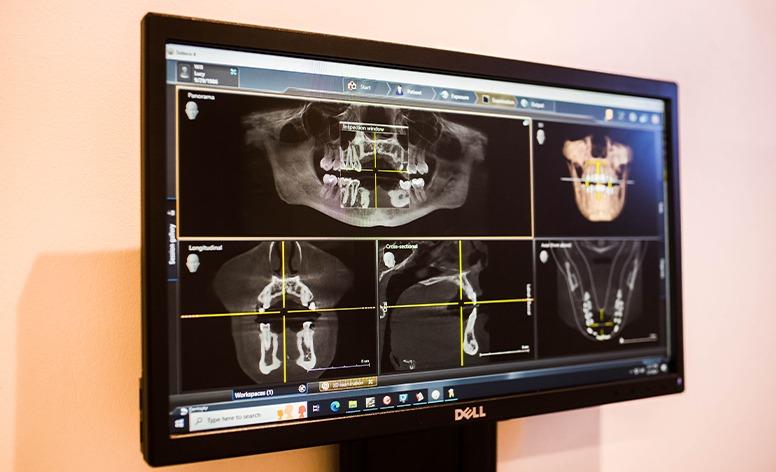
It’s almost always preferable to keep your natural teeth instead of getting them removed. However, there are a few specific circumstances where a tooth extraction would be the healthiest treatment. We may recommend tooth extractions when:
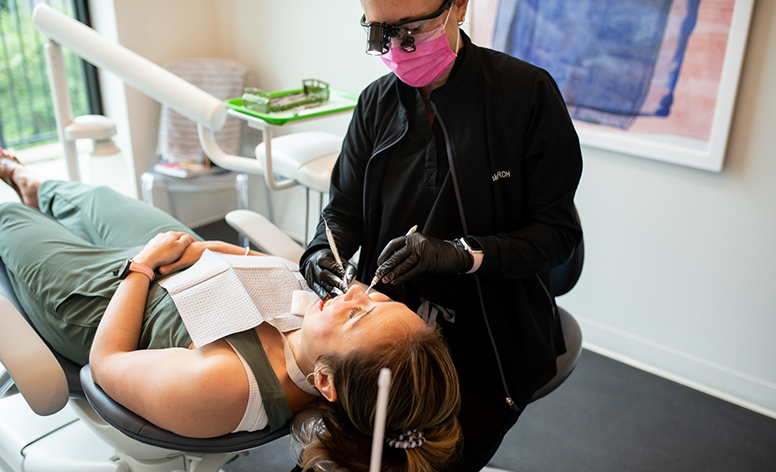
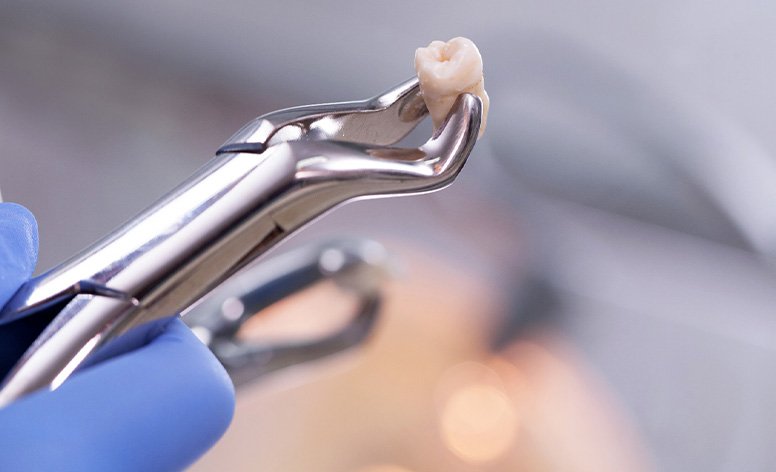
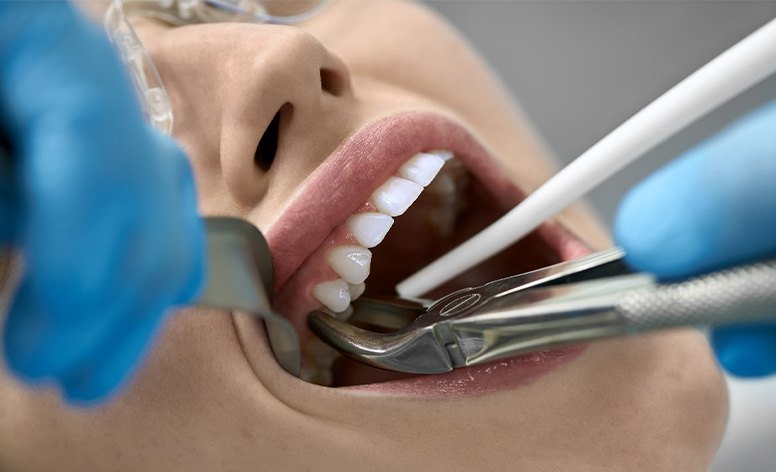
The approach we take to your extraction may vary based on how far the tooth has erupted. If it has fully emerged from the gums, we can often simply “pull” it. After numbing that area of your mouth, your dentist in Fort Worth uses a clasping instrument to rock the tooth back and forth until it breaks free from the gum tissue. If the tooth is partially or fully stuck under the gum line, then we’ll need to implement surgical techniques. We’ll likely create an incision in the gums in order to access more of the tooth. We may also have to break the tooth into smaller pieces and remove them individually.
No matter which type of tooth extraction you need, we’ll go above and beyond to ensure you’re comfortable every step of the way. We’ll use plenty of local anesthetic to numb your mouth, and we also offer sedation to calm your nerves.

Before you step out of our dental office, we’ll provide you with a detailed plan for taking good care of your mouth as you heal from your extraction. Feel free to call us if you have any questions or if you find your discomfort worsening instead of fading away after a few days. Your tooth extraction aftercare tips will most likely include:
One of the first questions on many patients minds when they learn they need to have a troublesome tooth extracted is, “How much will it cost?” It’s natural to want to know how much you might pay for your procedure, and our team will gladly provide a detailed estimate after your initial consultation with one of our providers in Fort Worth.
Continue reading to learn more about how the price of this treatment is determined and how our office helps make services more affordable!
The cost of tooth extractions can vary from person to person because it depends on different factors unique to your situation, such as:

Dental insurance can often be an effective way to reduce your out-of-pocket expenses for everything from routine preventive services to more complex treatments, and it’s natural to wonder if it can be applied to your tooth extraction.
Many plans do include 50% coverage for this and other major procedures, though there are no guarantees. Not only that, but your insurance might also have other restrictions to be aware of, like an annual deductible payment or a waiting period that must pass before perks can be applied.
If you’re unsure what’s included in your policy or need assistance with claims or paperwork, please let us know! Our friendly office staff is happy to help find the information and maximize available benefits.

If you have a severely decayed or damaged tooth or need to make space for another treatment to be successful, removing it can be the best way to help you build and maintain a happy, healthy smile. But you might avoid scheduling your procedure if you’re concerned about the cost.
Our team in Fort Worth understands that not all patients carry dental insurance, and we don’t want your current financial situation to prevent you from receiving the required treatments. As a result, we offer flexible payment plans through CareCredit. If your application is approved, you can divide your invoice into more manageable installments that are paid over a designated period.
Whether they’re seeking a preventive treatment or a cosmetic upgrade, it is not uncommon for patients to be hesitant to commit to treatment because they’re afraid it will hurt. Fortunately, whether you’re getting one tooth extracted or multiple, your dentist’s first step is always the same: numbing your mouth.
Some soreness and discomfort are to be expected following this procedure, but following the aftercare instructions to a tee can help not only prevent infection and reduce puffiness but promote healing and alleviate pain.
Should your pain worsen instead of improving, or if you begin to exhibit signs of infection such as a fever, call us as soon as possible.
While tooth replacement options like dental implants are extremely lifelike and durable, your dentist’s top priority will always be to save your natural teeth when possible.
However, the answer to whether there’s a suitable alternative to a tooth extraction will depend on the reason why it is recommended in the first place. For example, if it is due to extensive decay, then a root canal may be an option. If it is a result of periodontal disease, root scaling and planing might help restore your oral health. Ultimately, if your dentist is recommending extraction, these simply may not be viable options in your situation.
Rest assured that if a tooth extraction is necessary to restore your smile and bite, this is the best way to get back your healthy, pain-free smile.
Because tobacco products like cigars, cigarettes, and even vapes can delay healing, you cannot smoke immediately following a tooth extraction. In fact, we recommend that you abstain from smoking for a minimum of five days, but ideally for up to two weeks.
If you’ve struggled to quit in the past, don’t hesitate to speak to your dentist about your concerns. They’re not here to pass judgement; they simply want to know your situation so they can help you prepare in advance.
In most cases you will be ready for dentures in about six to eight weeks after your extraction. Once your mouth has healed completely, your dentist will take impressions that will be used to craft your restoration. During this time, they’ll make note of the ideal size, shape, and shade of your replacement teeth, which the lab artisans will follow meticulously to customize your new dentures.
Once your dentures have been created, you’ll return to Fort Dental to try them on, make any final adjustments if necessary, and teach you how to care for your new smile to keep it looking pristine and working well for as long as possible.