


The temporomandibular joints are the delicate joints that connect your jaw to your skull. Although you may not be aware of them, they are in constant use throughout the day, allowing you to do things like eat, speak, breathe, laugh, sneeze, and smile. Unfortunately, however, they can become easily damaged due to overuse, genetics, and even accidental injury, making these everyday activities a challenge.
TMJ treatment in Fort Worth can help treat the pain and stiffness associated with these disorders, so you can once again enjoy a pain-free life and all the benefits of a healthy, properly aligned jaw.
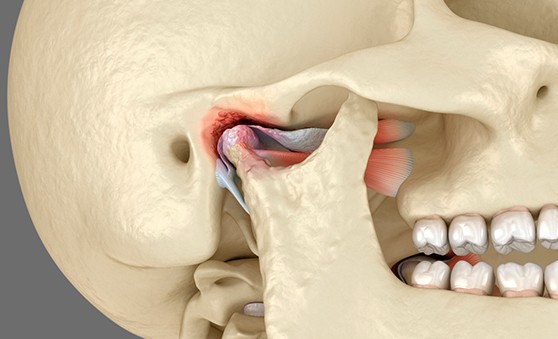
Temporomandibular joint dysfunction, also known as TMJ dysfunction or TMJ disorder, is a condition that affects the delicate temporomandibular joints, muscles, and connective tissues that surround your jaw. These allow you to open and close your mouth to do things like chew your food, speak, laugh, and even sneeze.
The temporomandibular joints connect your mandible (lower jaw) to the maxilla (upper jaw). Unfortunately, however, if they become overworked due to things like bite problems and past oral trauma, when they sustain additional force, it can create chronic pain and discomfort.
There are a variety of symptoms that may indicate a TMJ disorder. Patients often experience one or more of the following:
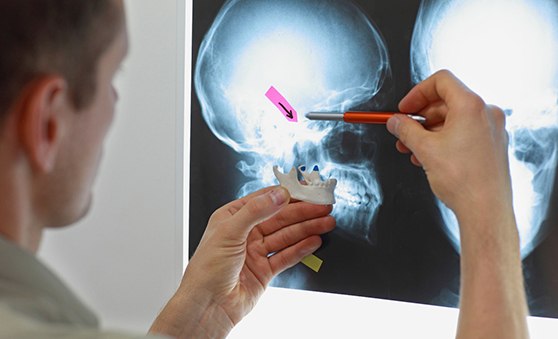
The great news is that your dentist offers TMJ treatment in Fort Worth. To learn more about your options, first, you’ll need to visit us for a diagnostic exam. At this appointment, your dentist will examine your jaw and may take some digital X-rays of your mouth and temporomandibular joints. Once we have a clearer picture of your individual situation, we’ll discuss each of your treatment options with you to help you determine which solution is best based on your unique anatomy and needs. The type of treatment you receive depends on many factors, including the root cause of your TMJ dysfunction.
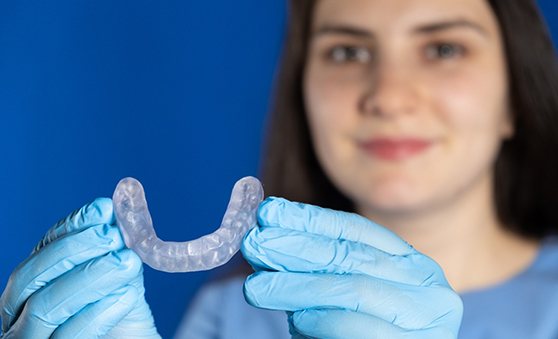
In many cases, a TMJ oral appliance known as an occlusal splint or nightguard can be custom made to fit your mouth. These comfortable, discreet oral appliances help protect your teeth from grinding, which can worsen your TMJ symptoms. Splints are designed to help shift the jaw into a slightly forward position, allowing the joints to rest comfortably while providing long-term relief from the tenderness and chronic pain so common with this condition.