

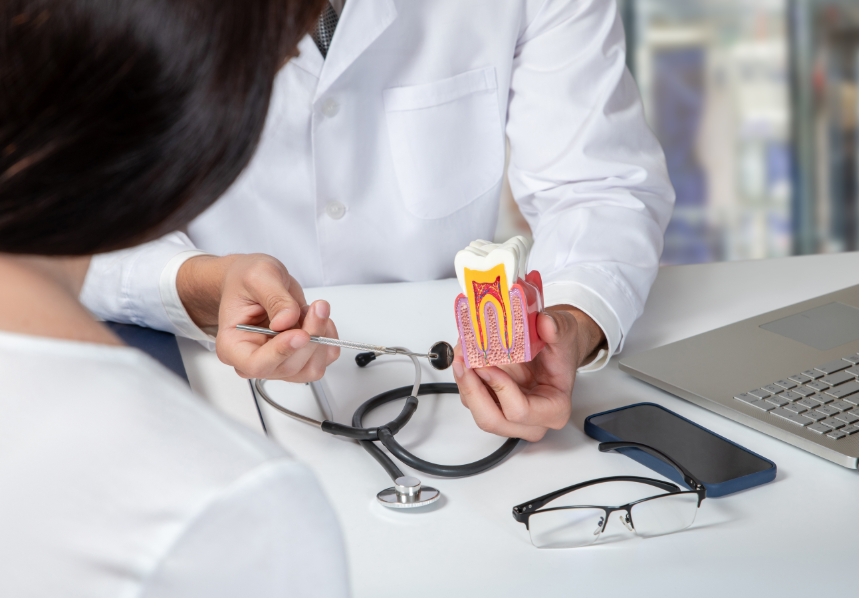
Hearing that you need a root canal can be intimidating, and it’s tempting to put it off. Unfortunately, avoiding this important treatment can have serious consequences for your teeth and overall health.
Understanding the potential risks of delaying or skipping a root canal can help you make an informed decision and protect your smile.
Progression of Tooth Decay and Infection
A root canal is recommended when the pulp inside a tooth becomes infected or inflamed, often due to deep decay or injury. Without treatment, the infection does not go away on its own. It can continue to spread inside the tooth and eventually reach the surrounding bone and tissues.
As the infection worsens, you may notice increased pain, swelling, and sensitivity. The tooth can become discolored, brittle, or cracked. Over time, the infection can form an abscess—a pocket of pus that can cause severe discomfort and even lead to swelling in the face or neck.
Risk of Tooth Loss
If an infected tooth is not treated, extraction may become the only option. Losing a tooth can affect chewing, speaking, and your overall dental alignment. Adjacent teeth may shift, creating further complications and making restorative procedures like bridges or implants more complex and costly.
Impact on Overall Health
The risks extend beyond your mouth. Untreated dental infections can contribute to systemic issues. In rare but serious cases, bacteria from an abscessed tooth can enter the bloodstream, potentially affecting the heart or other organs. Maintaining oral health is an important part of overall health, particularly for those with underlying conditions such as diabetes or cardiovascular disease.
Signs You Should Not Ignore
Even if the pain is intermittent, certain symptoms indicate the infection is progressing and requires prompt attention:
- Persistent toothache or throbbing pain
- Swelling of the gums or face
- Sensitivity to hot or cold that doesn’t subside
- Pus or drainage near the tooth
- Fever or general malaise in conjunction with dental pain
Ignoring these signs can make treatment more complicated and recovery longer.
Preventing Complications
A root canal removes the infected or damaged pulp, cleans the inside of the tooth, and seals it to prevent reinfection. Timely treatment preserves the natural tooth, reduces pain, and prevents the infection from spreading. Follow-up care, including crowns or other restorations, helps maintain strength and functionality.
Taking Action Early
Procrastinating on a root canal may seem convenient, but the consequences can be severe. Early intervention not only saves your tooth but also protects your overall health and avoids more extensive dental work down the line.
About the Practice
Fort Dental provides emergency dental care and restorative services, including root canal therapy. Our outstanding dental team focuses on timely, effective treatment to relieve pain, manage infection, and preserve natural teeth. Patients receive personalized guidance to protect their oral health and maintain a strong, functional smile.
Call us at (817) 292-5957 or schedule your appointment online.