

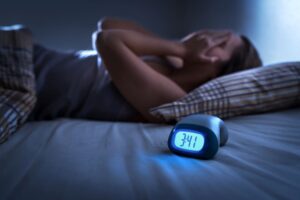
Many people snore at night, but if you also frequently wake up feeling more tired than when you finally drifted off the evening prior, you might have developed sleep apnea. This condition prevents you from completing the circadian cycles necessary for true recovery and rejuvenation and can affect everything from your mood to your oral and general well-being.
Thankfully, many sleep dentists offer services to reduce symptoms and improve your quality of rest. Continue reading to learn more about sleep apnea and recommended ways to treat it!
What is Sleep Apnea?
Although snoring often indicates nighttime disorders, it’s not necessarily required for diagnosis. Many people snore without sleep apnea, and not everyone with this condition snores.
But you might have sleep apnea if your breathing frequently stops and restarts throughout the night, which interrupts your body’s natural circadian rhythms. There are three main kinds, outlined in more detail below:
- Obstructive sleep apnea (OSA). This happens when your airways are physically narrowed or blocked, such as by overly relaxed throat muscles, and is the most commonly diagnosed type.
- Central sleep apnea (CSA). This occurs when there’s a miscommunication between your brain and the autonomic muscles that control breathing.
- Complex sleep apnea. This is when you experience a combination of the two types listed above.
What’s the Best Way to Treat Sleep Apnea?
CPAP, or continuous positive airway pressure, machines are a popular way to treat OSA, the most common type of sleep apnea. They provide a gentle stream of pressurized air through a flexible hose attached to a facial mask that’s worn over the nose and/or mouth to help keep your airways open and provide adequate oxygen.
However, many patients struggle to drift off with a large face mask, so many sleep dentists offer other solutions, like custom-fitted oral appliances. For example, anterior mandibular positioning devices, or AMPs, are worn over the teeth to help correct the jaw’s position to ensure patients can breathe easily and rest more soundly at night.
How do I Know if I Have Sleep Apnea?
Understanding some common indicators of this disorder let you know when to seek an official diagnosis from your primary health care physician or a board-certified sleep dentist. Some common symptoms can include:
- Loud snoring
- Gasping or choking
- Persistent sore throat or dry mouth
- Excessive daytime exhaustion
- Mood swings, like irritability, trouble focusing, or depression
- Waking with a headache
- Other physical changes, like hypertension, or increased blood pressure
Often, an official sleep test is required to diagnose the condition. Then, you can contact a qualified dentist to discuss potential solutions based on your unique circumstances!
About the Practice
Patients at Fort Dental benefit from a team of providers who are passionate about helping enhance their quality of life by addressing problematic oral issues, such as sleep apnea. They collaborate to provide a comprehensive menu of services, including oral appliances to help keep your airways open, using state-of-the-art technology to deliver comfortable, accurate solutions for optimal outcomes. If you’re worried you might have developed sleep apnea, you can learn more by contacting the office on the website or calling (817) 292-5957.